Monday, October 6, 2014

MDC reminds deer hunters to properly dispose of carcasses

Proper deer-carcass disposal helps prevent the spread of deer-borne diseases.

JEFFERSON CITY, Mo. – The Missouri Department of Conservation (MDC) reminds deer hunters throughout the state to properly dispose of carcasses from harvested deer to help prevent the spread of infectious diseases in deer, such as the always-fatal chronic wasting disease (CWD).
“Conservation makes Missouri a great place to hunt deer, and deer hunters are key to keeping it that way,” says MDC Deer Biologist Jason Sumners. “Because many hunters process their own deer, they are key players in slowing the spread of diseases such as CWD. One way that disease can spread is by the transportation and improper disposal of carcass parts.”
Deer can become infected with chronic wasting disease if they come into contact with other infected deer or with surface soil containing carcass parts from diseased deer. Deer carcass parts known to concentrate CWD include brain, spinal cord, eyes, spleen, and lymph nodes.
Chronic wasting disease was first found in Missouri in Macon and Linn counties several years ago. In response, MDC established a CWD Containment Zone covering Adair, Chariton, Linn, Macon, Randolph, and Sullivan counties. The disease remains limited to the local area.
“Hunters who harvest deer in these counties should not take whole deer carcasses out of the containment zone, or carcass parts that contain brain, spinal cord, eyes, spleen, or lymph nodes,” Sumners adds, along with the following information.

Proper Carcass Disposal

  • Avoid cutting through bones, spine, or brain when processing deer carcasses. 
  • Remove meat in the field and leave the carcass behind. Bury it if possible.
  • If processing harvested deer in camp or at home, place carcass parts in trash bags and properly dispose of them through a trash service or landfill.
  • Take harvested deer to a licensed commercial processor to assure proper carcass disposal.
  • For taxidermy work, use a licensed taxidermist to assure proper carcass disposal.

Safe Parts to Transport

  • Meat that is cut and wrapped, or has been boned out,
  • Quarters or other portions of meat with no part of the spine or head attached,
  • Hides or capes from which all excess tissue has been removed,
  • Antlers, including antlers attached to skull plates or skulls cleaned of all muscle and brain tissue, and
  • Finished taxidermy products.
The Wildlife Code of Missouri requires hunters who harvest deer, elk, or moose out of state and bring the animal with the spinal column or head attached into Missouri to call toll free, 877-853-5665, and report the animal’s entry within 24 hours. They also must take the carcass to a licensed meat processor or taxidermist within 72 hours of entry. This is designed to prevent introducing CWD into new areas of Missouri from other states. Hunters transporting deer through Missouri en route to other states do not need to call the number.

Donate Tissue Samples

Sumners also encourages hunters who harvest deer within the CWD Containment Zone of Adair, Chariton, Linn, Macon, Randolph, and Sullivan counties to donate tissue samples from their deer to the Conservation Department for its CWD monitoring program. Numerous deer-processing facilities and taxidermists in the area are participating in the effort.
Details about these measures are listed in the 2014 Fall Deer & Turkey Hunting Regulations and Informationbooklet, which is available at MDC offices and nature centers, where hunting permits are sold, and online atmdc.mo.gov/sites/default/files/resources/2010/03/ftd2014.pdf.

Thursday, October 2, 2014

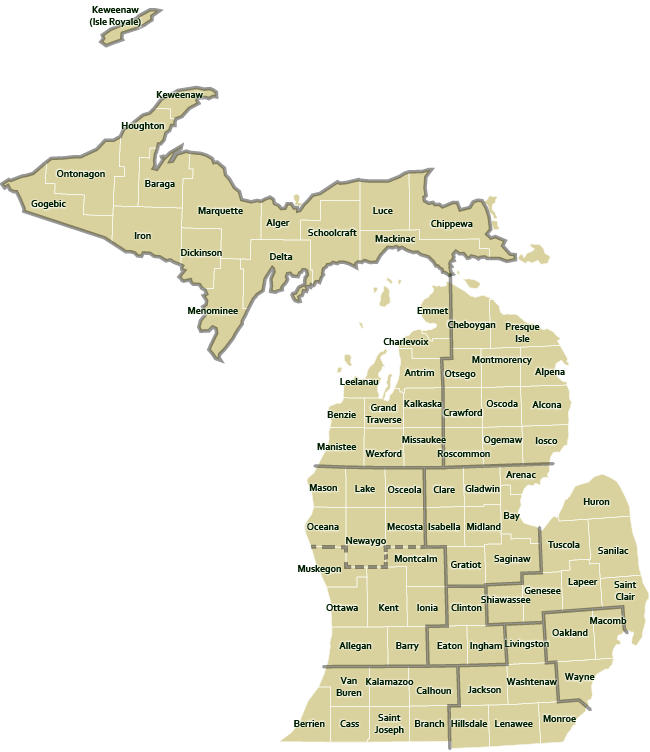
DNR reminds deer hunters of changes to license structure

With Michigan's archery deer season set to begin Oct. 1, the Department of Natural
Resources reminds hunters of recent changes to the state's hunting license structure.

The new license structure – authorized by the Legislature and signed into law by Gov. Rick Snyder in 2013 – took effect March 1, 2014.

Among the most significant changes affecting deer hunters, a base license is now required for all hunters. The base license provides critical funding for habitat and conservation work on both public and private land and supports the work of conservation officers and field staff to ensure safe, legal hunting practices are followed. The purchase of a base license includes small game hunting. Whether they choose to hunt small game or not, hunters' base license dollars will be used to enhance and expand hunting opportunities, which benefits hunters of all species.

Deer licenses available include:

  • Single deer license, valid throughout archery, firearm and muzzleloader seasons. This license has replaced the separate archery and firearm licenses. Hunters who buy a single deer license may not buy a second single deer license or the deer combo license.
     
  • Deer combo license, which includes two kill tags, one regular and one restricted. Hunters who want two deer licenses must buy the deer combo license instead of the single deer license. This is required to implement antler point restrictions, which apply based on whether the hunter has purchased two deer licenses. The deer combo license is valid for use during the archery, firearm and muzzleloader seasons. A hunter can use both kill tags in the firearm seasons, both in the archery season or one in each season.
     
  • Antlerless deer license, available based on license quotas set for each Deer Management Unit (DMU).
To see how the single deer and deer combo licenses may be used in each deer season, based on which DMU a hunter wishes to hunt, see the Antler Point Restriction Regulations map and chart on pages 32 and 33 of the 2014 Hunting and Trapping Digest.
To learn more about this season's hunting opportunities and regulations, see the DNR's Fall Hunting Preview video on YouTube.
More information about the new hunting license structure – including license pricesfrequently asked questions and details about how license dollars will be invested – is available atwww.michigan.gov/dnr under "In the Know."
For more details about hunting seasons, licenses and regulations, see the Hunting and Trapping Digest and Antlerless Deer Digest.

T
hose who have questions or need help determining which licenses to buy may contact their nearest DNR Customer Service Center.

Thursday, September 25, 2014

Youth deer hunt Oct. 11-12 will provide great opportunity to introduce young hunters to the outdoors

Youth hunters and those interested in mentoring young hunters are reminded to mark their calendars for this year's youth deer hunt. This special hunt takes place Oct. 11-12 and state wildlife officials say it provides a valuable learning experience and great opportunity to introduce young hunters to one of the many outdoor opportunities Wisconsin has to offer.
The youth hunt allows boys and girls ages 10-15 to hunt with a gun or other legal weapon prior to the regular firearm seasons. The youth hunt is open to all resident and non-resident youth hunters with a gun deer license and appropriate tags.
"Deer hunting in Wisconsin is an exciting time of year, and the youth hunt is a perfect way to get young folks interested in the outdoors with an adult close by," said Keith Warnke, hunting and shooting sports coordinator for the Wisconsin Department of Natural Resources. "Experienced hunters provide important guidance, advice, and instruction to help build a framework for constant safety improvement."
It is important to note that buck and antlerless deer permit tags included with a junior gun deer license are valid statewide for youth hunters.
All youth hunters must be accompanied by a mentor 18 years of age or older. Youth ages 12-15 with a hunter education certificate may hunt within visual and voice range of a mentor. When accompanying one or two youth ages 12-15 that have successfully completed hunter education, a mentor is not required to possess a hunter education certificate or a current hunting license.
Hunters ages 10 and 11, as well as those ages 12-15 that have not completed hunter education, may gain hunting experience under the Hunting Mentorship Program. This program requires youth to hunt within arm's reach of a qualified mentor who has completed hunter education and holds a current hunting license. Only one weapon may be possessed jointly between youth and mentor. Mentors may not hunt using a firearm during the youth deer hunt weekend, and must possess a valid Wisconsin hunting license for the current hunting season. License type does not matter, unless the mentor will be hunting other game.
Hunters of all ages are reminded to follow the four rules of firearm safety:
  • Treat every gun as if it were loaded;
  • Always point the muzzle in a safe direction;
  • Be sure of your target and beyond; and
  • Keep your finger out of the trigger guard until you are ready to shoot.
First-time hunters and those that have not purchased a license in at least 10 years are eligible for a discounted first-time buyer license. Visit dnr.wi.gov and search keyword "license" for more information.
As in previous years, those new to hunting can celebrate their first harvest with the official first deer certificate. Simply follow the instructions on the page to upload a photo of your first deer and describe your experience. For more information, and to create your own first deer certificate, search keywords "first deer."
To learn more about youth hunting and general deer season regulations, search keywords "youth hunt" and "deer" respectively.
All deer hunters are encouraged to check out the frequently asked questions page for more information regarding several rule changes for 2014. The FAQ feature provides brief responses to a wide variety of deer hunting questions, ranging from deer management unit boundaries to antlerless permits.

Wednesday, September 24, 2014

TREESTAND SAFETY

English: Tree Stand
 (Photo credit: Wikipedia)
Bow hunters preparing for the upcoming season should check all their gear to make sure it is in proper working order, especially treestands and safety harnesses, before heading to the timber.
“Falls associated with tree stand use are the most common hunting incidents during the bow season,” said Megan Wisecup, hunter education administrator for the Iowa Department of Natural Resources. “Hunters should always wear a safety harness and use caution when climbing.”
Wisecup said there are a number of tips hunters can use to prevent injury when using a treestand.
“Make sure to select a tree that fits the tree stand recommended limits and follow the three point rule of tree stand safety – always have three points of contact to the steps or ladder before moving,” she said.
“That could be two arms and one leg holding and stepping on the ladder or one arm and two legs in contact with the ladder before moving. And remember the elements – the rain, frost, ice or snow can cause steps to become slippery so check the security of the step before placing your weight on it.”
Other safety tips include using a haul line to pull gear and the unloaded firearm or bow to the stand and hunters should never climb with anything in their hands or on their back.  When exiting the stand, use the haul line to lower the gear on the opposite side of the tree.
“Get familiar with the safety harness. Read the instructions for it and for the tree stand itself so you know how to use it properly and know its limitations,” Wisecup said. 
Falls from tree stands are required to be reported to the DNR if a person seeks medical attention for an injury received while entering, exiting or sitting in a stand.
“The basic rules of tree stand safety don’t apply to just bow hunters, but to firearm hunters using an elevated device or stand,” she said.  “We want everyone to be safe out there. The goal at the end of every hunt is to arrive home safely.”

Tuesday, September 23, 2014

ARCHERY DEER HUNTING SEASON OPENS OCTOBER 1

English: Iowa Department of Natural Resources logo

Iowa’s popular archery deer season begins Oct. 1, with nearly 60,000 hunters expected to head to the timber.
Hunters can expect to find similar or slightly fewer deer versus last year.
“When we have good weather during the growing season like we did this year, there is a lot of available food for wildlife, including deer, so I suspect hunters could have a good year,” said Willie Suchy, wildlife research supervisor for the Iowa Department of Natural Resources.
Early in the season, the deer herd will have plenty of places to hide as the corn harvest is just getting underway. In these conditions, hunting food sources initially, and then preparing for the rut in late October through mid November is a common strategy.
Epizootic Hemorrhagic Disease (EHD) that impacted the deer herd in certain local areas was not reported in 2014. Deer will begin moving in to those areas where a void was created by the disease in 2012 and 2013.
The archery season closes on Dec. 5 for the shotgun deer hunting seasons, and then opens again on Dec. 22 until Jan. 10, 2015. Deer regulations are similar to last year with no changes other than fewer paid antlerless deer license in many counties.
There is a listing online of special deer hunts often associated with state parks or urban areas that bow hunters can participate. These hunts, at www.iowadnr.gov/deerhunting, often have extra requirements and the local host organization should be contacted for more information.
All deer taken must be reported using the harvest reporting system by midnight the day after the deer is recovered.  Accurately reporting the kill is an important part of Iowa’s deer management program and plays a vital role in managing deer populations and future hunting opportunities. 
Hunters can report their deer on the DNR website www.iowadnr.gov, by calling the toll free reporting number 1-800-771-4692, or at any license vendor.  For hunters with Internet access, the online reporting of your harvest is the easiest way to register your deer.
Hunters reported harvesting 20,278 deer during the 2013 archery season.

Sunday, September 21, 2014

APPLICATION DEADLINE FOR SPECIAL HUNTS SEPT. 29- Kansas

Outstanding hunting grounds exist throughout the state, but for the average hunter, gaining access to private land ksoutdoors.com by clicking “Hunting/Special Hunts Information.” The deadline for Nov.-Jan special hunts is Sept. 29 at 9 a.m. 
areas may be difficult. The Kansas Department of Wildlife, Parks and Tourism designed the Special Hunts Program to ensure hunters have quality outdoor experiences. Special hunts provide hunters with temporary access to lands not normally open to unrestricted hunting. Hunters interested in experiencing a special hunt for this fall or winter can apply online at
Approximately 650 hunts are currently available for the fall and winter months, and a random computer drawing will be conducted within one week of the application deadline to determine who will be awarded special hunts. Lucky hunters can draw hunts that provide access to specific areas for just a day or up to the entire season.
During the application process, hunters will select what species they want to hunt as well as what type of hunt they prefer, be that an open hunt, a youth hunt, or a mentored hunt. Open hunts are available to all successful applicants, regardless of age or hunting experience. Youth hunts require parties to include at least one youth 18 or younger, accompanied by an adult 21 or older who will not hunt. And mentored hunts are open to both youth and novice hunters supervised by a mentor 21 or older who may also hunt.
Hunters are reminded that special hunt permits only provide access to the properties and do not include any licenses or permits.
For more information on the Special Hunts Program, visit ksoutdoors.com and click “Hunting/Special Hunts Information,” or contact KDWPT public land supervisor Mike Nyhoff at (785) 628-8614 or by email atmike.nyhoff@ksoutdoors.com.

Friday, September 19, 2014

Ready for deer season? Tune in this fall and make sure you’re up to speed!

With the 2014 gun deer season quickly approaching, be sure to tune in to your favorite radio and TV programs to learn more about some changes that will affect your deer hunt! Whether you’re listening to your favorite outdoor radio show or watching the Brewers or
Packers, be on the lookout for helpful messages from the department that will help you prepare for another exciting fall deer hunt! View a quick message from Secretary Stepp HERE.
Also, be sure to catch Dan Small’s annual Deer Show – you’ll find a preview below. Dan’s program can be found on Milwaukee Public Television, Wisconsin Public Television, Fox Sports Wisconsin, Fox Sports North and other channels in your area. View a message from Dan HERE.
Deer hunters are encouraged to check out the frequently asked questions page for more information regarding several rule changes for 2014. The FAQ feature provides brief responses to a wide variety of deer hunting questions, ranging from deer management unit boundaries to antlerless permits. To view the FAQ page and learn more, visit dnr.wi.gov and search keyword "deer."
The rules have changed, but the tradition remains – are you ready?